
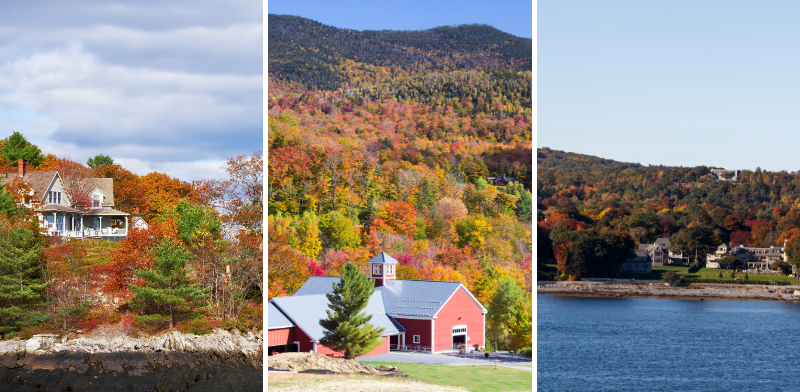
Finding Room to Breathe: A Guide to Homes with Land and Acreage in Maine
Searching for a home with 5+ acres in Maine requires looking beyond property lines to understand soil drainage, year-round access, and zoning regulations. Moving to a rural setting or establishing a homestead offers unmatched privacy and peace of mind, but thoughtful preparation ensures your transition to country living remains smooth, predictable, and deeply rewarding.
Understanding Usable Acreage vs. Deed Boundaries
When exploring single-family homes with acreage in towns like Gorham, Windham, or Gray, the total acreage listed on a deed does not always equal usable land. A five-acre parcel may feature dense timber, granite outcroppings, or designated wetlands that limit where you can build, garden, or clear space for animals.
Walking the boundaries before falling in love with a property is an essential first step. Identifying conservation easements, steep contour changes, and protected wetland buffers helps you visualize how the land functions. Taking the time to study natural clearings, timber health, and water runoff patterns protects you from unexpected limitations, ensuring the acreage you purchase aligns perfectly with your everyday outdoor plans.
Soil Quality, Perc Tests, and Septic Planning
A successful homestead or country home relies on what lies beneath the surface. In rural Maine, private septic systems and drilled wells are the standard, making soil composition one of the most critical factors during due diligence.
A formal soil evaluation, often referred to as a percolation or "perc" test, determines how effectively water drains through the ground. Sandy loam provides excellent drainage for septic design and organic vegetable gardens, while heavy marine clay or ledge can require engineered septic solutions. Verifying suitable reserve locations for replacement leach fields early in your search avoids expensive surprises and preserves your long-term peace of mind.
Road Frontage, Private Driveways, and Year-Round Access
The romance of a long, winding gravel driveway tucked into mature Maine woods comes with practical seasonal realities. In communities like Freeport, Pownal, and North Yarmouth, winter snow accumulation and spring mud season require thoughtful site management.
Before purchasing a home situated off a private road or right-of-way, confirm whether a formal road association and maintenance agreement are actively in place. Evaluate the pitch and grading of the driveway to ensure heating fuel delivery trucks and emergency services can safely access the house during deep winter storms. Understanding the annual cost and physical effort of grading, gravel replenishment, and plowing ensures you feel confident in every season.
Evaluating Barns, Outbuildings, and Solar Exposure
True homesteading is defined by how well your outbuildings support your daily lifestyle. Historic Maine farmhouses and Capes throughout Cumberland and New Gloucester often feature attached timber-frame barns, detached carriage sheds, or workshops that have stood for generations.
Inspecting the sill plates, rooflines, and foundation stonework of auxiliary buildings ensures they remain safe and structurally sound for livestock, equipment storage, or creative studio spaces. Additionally, assessing the parcel's natural solar exposure is equally important. Orienting future raised garden beds, pasture spaces, or home solar panels toward open southern light makes a tremendous difference in daily utility and passive warmth throughout late autumn and early spring.
Local Zoning, Livestock Permissions, and Community Character
Every Maine municipality maintains unique Land Use Ordinances governing what can be built, housed, or operated on rural acreage. A parcel that allows small livestock, chickens, or detached workshops in Buxton, for example, may face different setbacks or restrictions in another town just a few miles away.
Reviewing town ordinances regarding accessory dwelling units, barn setbacks from property lines, and home-based workshops before making an offer protects your family’s vision. Choosing a community with a shared respect for open space and agricultural heritage ensures your homestead integrates seamlessly into the surrounding neighborhood, creating a timeless setting your family can cherish for decades to come.
Community & Lifestyle Spotlight: Preserving Southern Maine’s Rural Heritage
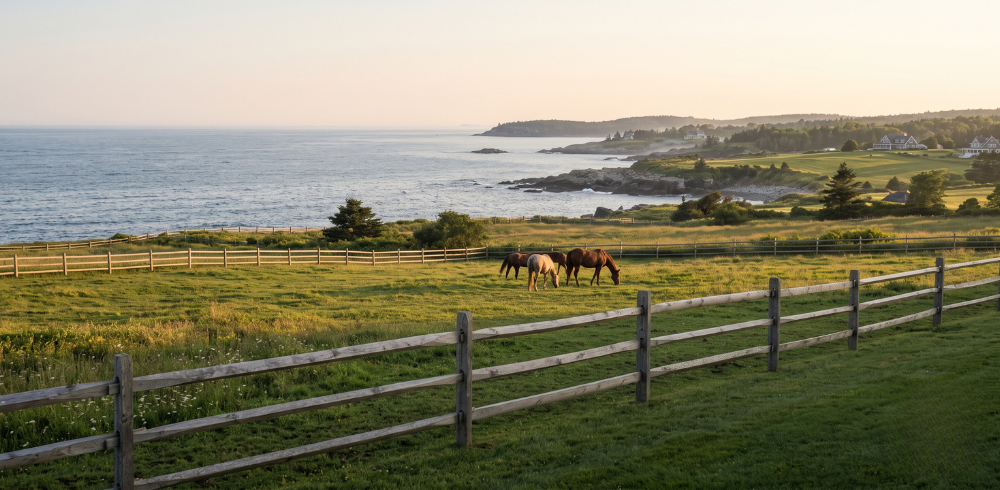
Living on acreage in Southern and Midcoast Maine connects you to a timeless tradition of local stewardship and quiet independence. Communities such as North Yarmouth, Gorham, and Freeport balance open rural fields with welcoming, close-knit village centers.
Here, life moves at a deliberate, peaceful pace. Mornings begin with coffee overlooking frost-covered pastures, afternoons are spent tending heritage gardens or walking forested trails, and evenings bring wide-open skies undisturbed by town light. Embracing a home with land is more than a change of address; it is a commitment to thoughtful craftsmanship, authentic community connections, and a calm, grounded way of living.
Looking for thoughtful guidance as you explore homes with land in Maine? Connect with us at greeneshaw.com/contact or call (207) 436-8403 to begin your search with confidence.

.png)


